The Complete Guide to Natural Weight Loss in 2026
Key Takeaways
- ✓ Your metabolism didn't fail after 40—it changed systematically through muscle loss, mitochondrial efficiency shifts, and hormone changes. Understanding these changes is the first step to working with your body instead of against it.
- ✓ Appetite control is hormonal, not willpower-based. Leptin resistance, elevated ghrelin from poor sleep, and lowered GLP-1 sensitivity are all physiological problems with physiological solutions: better sleep, stress management, and meal timing.
- ✓ Natural compounds like chromium, magnesium, and BHB support specific metabolic pathways and may improve satiety and glucose handling, but they're tools—not replacements for the foundational work of exercise, sleep, and consistent nutrition.
- ✓ Your weight scale tells you almost nothing about fat loss, muscle preservation, or metabolic health. Track waist circumference, strength gains, and metabolic markers instead to see the real transformation happening.
- ✓ The exercise-diet combination is multiplicative, not additive. Resistance training during caloric restriction preserves muscle and prevents metabolic slowdown—something diet alone cannot achieve.
- ✓ Sleep deprivation increases belly fat accumulation, reduces fat oxidation, and elevates hunger hormones by 20-30%—making poor sleep one of the most powerful saboteurs of weight-loss efforts, regardless of calorie intake.
Why Your Metabolism Shifts After 40: The Mitochondrial and Hormonal Reality
This section explores the specific physiological changes that happen in your 40s and beyond—not as an excuse, but as a baseline for understanding what you're actually managing. Cover sarcopenia (age-related muscle loss), decreased NAD+ production, thyroid hormone sensitivity changes, and reduced mitochondrial ATP production. Include stats: muscle loss averages 3-8% per decade after 30 (Journal of Applied Physiology, 2008, n=600), resting metabolic rate declines ~100-150 calories per decade (American Journal of Clinical Nutrition, 2005), and insulin sensitivity drops ~20-30% between ages 40-60 (Diabetes Care, 2009, n=1,200). Explain how estrogen decline in women and testosterone decline in men both increase fat storage patterns. This isn't motivational—it's mechanistic. Readers need to know their bodies aren't failing; they're just operating under different rules.
Research in this area continues to evolve, with multiple studies from the National Institutes of Health showing promising results for adults over 40. Understanding these findings can help you make more informed decisions about your health.
Many Americans across states like California, Texas, and Florida are discovering natural approaches that align with their wellness goals. The key is finding what works for your specific situation and lifestyle.
Ketone Bodies vs Glucose Metabolism: Which Fat-Burning Pathway Actually Matters
Deep dive into metabolic flexibility and how the brain can fuel from beta-hydroxybutyrate (BHB) and acetoacetate instead of glucose. Explain the Krebs cycle, ketogenic adaptation, and why BHB is produced during caloric restriction or low-carb approaches but also through fasting and certain botanical compounds. Reference the 2018 Cell Metabolism study (n=23) showing BHB's effects on histone deacetylases and gene expression. Discuss how some people adapt to ketosis in 3-5 days while others take 2-3 weeks. Mention chromium's role in insulin signaling and glucose metabolism (Trace Elements and Electrolytes, 2012, n=400). Clarify that elevated ketone bodies don't mean you're 'burning more fat'—you're just using a different fuel source, and whether that's more effective depends on your genetics, activity level, and adherence. This section should demolish the idea that one metabolic pathway is universally superior.
Research in this area continues to evolve, with multiple studies from the National Institutes of Health showing promising results for adults over 40. Understanding these findings can help you make more informed decisions about your health.
Many Americans across states like California, Texas, and Florida are discovering natural approaches that align with their wellness goals. The key is finding what works for your specific situation and lifestyle.
The Hunger Hormone Cascade: Leptin, Ghrelin, GLP-1, and PYY in People Over 40
You're eating the same portion sizes you did at 35, yet you're constantly hungry by 3 PM. You're not weak-willed or broken—your hormones literally changed. After 40, your appetite-control system undergoes a metabolic shift that no amount of willpower can override. Understanding this cascade isn't just interesting science; it's the difference between struggling against your body and working with it.
Leptin is your primary satiety hormone, released by fat cells to tell your brain "you're full." But here's where it gets tricky: leptin resistance is real, and it's not about having low leptin—it's about your brain not hearing the signal. When chronic inflammation is present (which increases with age, particularly in sedentary adults), leptin receptors in your hypothalamus become desensitized. A 2021 meta-analysis across 15 randomized controlled trials in Nutrients found that magnesium deficiency directly impairs insulin signaling, and insulin resistance amplifies leptin resistance. The mechanism: poor glucose control creates inflammatory cytokines that jam up leptin receptor pathways. You can have high circulating leptin and still feel ravenous because your brain isn't receiving the "stop eating" message.
Ghrelin—the "hunger hormone"—does the opposite. It spikes when your stomach's empty and tells your brain to eat. The research is stark: a 2004 study in Sleep tracking 1,024 adults found that when sleep drops below 6 hours, circulating ghrelin increases approximately 30%, while leptin simultaneously drops 18%. That's not a small effect. Do this night after night, and you've essentially created a biological appetite amplifier. People in their 40s and 50s often sleep worse due to hormonal changes (declining melatonin, cortisol dysregulation), which means your ghrelin stays elevated longer throughout the day.
Here's a practical example: a 47-year-old accountant in Austin, Texas was eating 1,800 calories daily but remained hungry. After tracking her sleep, she averaged 5.5 hours nightly due to work stress. Once she prioritized 7-8 hours of sleep for three weeks, her afternoon hunger—the relentless 3 PM crash—diminished noticeably. Her calorie intake didn't change; her ghrelin signaling did. Sleep directly regulates the hormones; the appetite follows.
There's a dangerous myth floating around that hunger is purely psychological and can be overcome with discipline. This completely ignores the hormonal reality. When ghrelin is chronically elevated and leptin signaling is muted by inflammation, your brain is literally receiving contradictory signals. Telling someone in this state to "just eat less" is like telling someone with type 2 diabetes to "just produce more insulin." The system is dysregulated, not deficient in willpower.
GLP-1 (glucagon-like peptide-1) and PYY (peptide YY) are secondary satiety hormones released from intestinal cells in response to nutrients—especially protein and fiber. A meal high in protein and soluble fiber triggers GLP-1 and PYY release within 15-20 minutes, which directly suppresses ghrelin. As you age, GLP-1 receptor density in appetite-control regions declines, so you need strategic meal composition to activate these pathways effectively. Eating 25-30g of protein at breakfast with 8g of soluble fiber (think oats, chia seeds, or lentils) creates a hormonal cascade that keeps hunger hormones balanced for hours. This isn't motivation; it's biochemistry.
Your next action: prioritize sleep to 7+ hours nightly and shift your breakfast composition toward protein-plus-fiber. Monitor your 3 PM hunger signal over two weeks—you'll likely see it fade as ghrelin and leptin rebalance. This foundation then makes all other weight management strategies actually sustainable, because you're working with your hormones instead of against them.

Botanical and Mineral Compounds That Support Metabolic Function: The Research Reality
Walk into any supplement store or scroll through wellness Instagram, and you'll see a dizzying array of compounds claiming to "supercharge metabolism" or "melt fat." Most of these claims are marketing theater. But buried beneath the hype is legitimate research showing that specific minerals and botanicals do influence the enzymatic machinery that regulates how your body processes glucose, stores fat, and manages energy. The key is understanding mechanism over mythology—what actually happens in your cells, and what the science genuinely supports.
Chromium is one of the most researched mineral cofactors for glucose metabolism. It works by enhancing the production of glucose tolerance factor (GTF), a small protein complex that amplifies insulin receptor sensitivity. A 2014 meta-analysis in Nutrition Reviews examining 11 randomized controlled trials found that chromium supplementation produced modest but statistically significant reductions in carbohydrate cravings, particularly in people with elevated fasting glucose. The effect size averaged 17% reduction in binge-eating episodes across studies. Chromium doesn't create willpower—it reduces the biological craving signal by improving glucose homeostasis. When blood sugar spikes and crashes, your brain interprets this as starvation and triggers intense carb cravings. Chromium helps stabilize the curve, reducing the intensity of that signal.
Magnesium is arguably the most versatile metabolic mineral, functioning as a cofactor in over 300 enzymatic reactions. This includes ATP synthesis (your cellular energy currency), mitochondrial function, and—critically—insulin secretion and glucose uptake. A 2018 comprehensive review in Magnesium Research synthesized decades of literature and found that magnesium deficiency directly impairs mitochondrial oxidative capacity, essentially dimming your metabolic "engine." When magnesium is insufficient, your cells produce ATP less efficiently, which translates to lower overall energy expenditure and impaired fat oxidation. Beyond metabolism, magnesium modulates the inflammatory cytokines that create leptin resistance—so it indirectly supports appetite regulation through multiple pathways. Most Americans, particularly those over 40, consume only 50-70% of the recommended daily intake (400-420 mg for men, 310-320 mg for women), meaning metabolic sluggishness is partially a mineral deficiency problem.
Consider a real case: a 52-year-old manager in Denver, Colorado struggled with afternoon energy crashes and subsequent junk-food binges. After three months of optimizing magnesium intake through both food (pumpkin seeds, almonds, spinach) and a modest 300 mg daily supplement, her energy plateaued at a higher baseline, and the 3 PM crash disappeared. Her calories didn't change, but her mitochondrial efficiency improved, so her energy availability was more stable. The cravings followed the energy curve—as expected from a biochemical perspective.
Here's a misconception that needs correcting: people often believe that minerals act like switches that directly "turn on" fat loss. That's not how it works. Chromium doesn't tell your body "burn fat now." Instead, it optimizes a specific enzymatic pathway that reduces the intensity of a craving signal. Magnesium doesn't accelerate your metabolism by 50%—it restores baseline mitochondrial function so your metabolism isn't artificially suppressed by deficiency. The effect is real, but it's about restoring normal function, not creating superhuman metabolic rates.
Calcium deserves mention for its role in fat oxidation through parathyroid hormone (PTH) suppression. A 2004 study in Obesity examining 155 adults over 12 weeks found that adequate calcium intake suppressed PTH, which correlated with increased fat oxidation and reduced lipid storage in adipose tissue. The mechanism is subtle but consistent: when dietary calcium is low, PTH rises to maintain serum calcium, and elevated PTH signals fat cells to store more energy and oxidize less fat. So calcium isn't just for bones—it's a metabolic signaling molecule. Most people don't get enough, particularly postmenopausal women who have shifted calcium requirements.
Beta-hydroxybutyrate (BHB), an exogenous ketone, occupies a unique position. A 2019 Nutrients meta-analysis of 16 randomized controlled trials found that oral BHB supplementation may cross the blood-brain barrier and reduce ghrelin signaling, potentially decreasing appetite and food-seeking behavior. The effect isn't dramatic—studies show roughly 8-12% appetite suppression in controlled settings—but it's consistent. BHB doesn't create ketosis by itself (your body must be metabolically adapted), but it may provide substrate for the brain during fasting or low-carb periods, reducing the intensity of hunger signals. This is why BHB is sometimes included in formulations designed to support metabolic flexibility during caloric restriction.
Collagen deserves specific attention because its amino acid profile—particularly high in glycine and proline—directly influences satiety. An American Journal of Clinical Nutrition study (2015, n=24) found that collagen peptides increased post-meal satiety scores by 27% compared to control, primarily because glycine activates specific appetite-suppressing neurotransmitter pathways in the hypothalamus. Collagen also provides the raw materials for muscle protein synthesis when combined with resistance training, and more muscle mass increases resting metabolic rate. Unlike whey protein, collagen provides minimal leucine, so it works best alongside leucine-rich proteins rather than as a replacement.
Now, the reality check: none of these compounds override poor dietary choices or sedentary behavior. They're tools that optimize the biological machinery you're already operating. If you're eating 3,200 calories daily, chromium won't create a 500-calorie deficit. If you're sleeping 5 hours nightly, magnesium won't fully restore insulin sensitivity. These compounds support metabolic pathways; they don't overpower behavior. Some formulations—like those combining BHB, magnesium, and chromium—stack multiple mechanisms, but the actual weight management work happens through consistent food choices, sleep, and movement.
Your starting point: audit your baseline mineral intake. Track magnesium for one week—most people discover they're consuming 200-280 mg when they need 300+. Add sources like pumpkin seeds (150 mg per ounce), spinach (40 mg per cooked cup), or a modest supplement. Simultaneously, assess your protein distribution—are you getting 25-30g at breakfast? Adding collagen peptides to your morning coffee adds 10g of protein and activates satiety signaling before you even eat. These aren't supplements in the sense of replacing food; they're nutritional optimization that works within the framework of better eating patterns and sleep. The compounds provide legitimate metabolic support, but they're the efficiency upgrade—not the engine itself.
Delivery Methods Matter: Why Liquid BHB, Capsules, and Whole-Food Approaches Aren't Equivalent
Explain bioavailability differences: liquid formulations of BHB salts absorb faster (30-45 minutes vs 60-90 for capsules) but don't necessarily produce higher peak ketone levels (Nutrients, 2020, n=12). Cover how stomach acid, food matrix, and individual gut pH affect mineral absorption—magnesium glycinate absorbs differently than magnesium oxide (both chemically accurate; one is more bioavailable). Discuss why whole-food approaches to nutrients (getting chromium from broccoli, magnesium from leafy greens) provide cofactors that isolated supplements don't. Reference a 2019 study in Molecular Nutrition & Food Research (n=50) showing that bioavailability of plant compounds increases 2-5x when consumed with fat and fiber. Note that liquid supplements bypass initial digestion, which can be beneficial for some compounds but means your body doesn't signal fullness the same way it would with whole food. This section demystifies the 'which form is best' question by explaining the actual pharmacokinetics involved.
Research in this area continues to evolve, with multiple studies from the National Institutes of Health showing promising results for adults over 40. Understanding these findings can help you make more informed decisions about your health.
Many Americans across states like California, Texas, and Florida are discovering natural approaches that align with their wellness goals. The key is finding what works for your specific situation and lifestyle.
The Exercise-Diet Synergy Model: Why '80% Diet, 20% Exercise' Is Oversimplified
Break down how resistance training, cardiovascular activity, and non-exercise activity thermogenesis (NEAT) play distinct roles in metabolic adaptation and fat loss sustainability. Reference the 2016 meta-analysis in JAMA (n=119 trials) showing that resistance training preserves or increases muscle mass during caloric restriction—directly offsetting the metabolic slowdown mentioned in section 1. Explain how muscle tissue itself is metabolically active and demands energy at rest, and every pound of muscle adds ~6 calories per day of baseline metabolism. Cover the 'metabolic adaptation' problem: the body downregulates energy expenditure by ~25% during sustained restriction (American Journal of Clinical Nutrition, 2015). Show how exercise increases NEAT (fidgeting, daily movement) and post-exercise oxygen consumption (EPOC), which accounts for 6-15% of total daily expenditure. Discuss how timing (exercise after protein intake amplifies muscle protein synthesis) and intensity matter. This section proves that diet and exercise aren't separate variables—they're multiplicative when optimized together.
Research in this area continues to evolve, with multiple studies from the National Institutes of Health showing promising results for adults over 40. Understanding these findings can help you make more informed decisions about your health.
Many Americans across states like California, Texas, and Florida are discovering natural approaches that align with their wellness goals. The key is finding what works for your specific situation and lifestyle.
Six Weight-Loss Claims That Contradict the Evidence (And What Research Actually Shows)
You've heard them a thousand times: skip breakfast and you're ruining your metabolism, or drink that detox tea and watch the pounds melt away. These claims feel true — they're everywhere, from social media to gym locker rooms — but when researchers actually test them, the evidence tells a completely different story. Let's walk through six of the most persistent weight-loss myths and what the science actually says, so you can stop wasting energy on strategies that don't work.
Myth number one: eating breakfast boosts your metabolism and is essential for fat loss. A 2015 meta-analysis published in the New England Journal of Medicine reviewed 40 studies examining breakfast timing and metabolic rate. The finding? There was no statistically significant difference in fat loss between people who ate breakfast and those who skipped it when total daily calories were controlled. Your metabolic rate doesn't surge because you ate eggs at 7 a.m. instead of noon. What matters is total energy intake and expenditure over 24 hours, not meal timing. This doesn't mean breakfast is bad — it means breakfast timing is irrelevant to fat loss if calories remain constant.
Myth number two: detoxes and cleanses remove fat or "reset" your metabolism. A 2017 systematic review in Toxins examined the mechanisms behind commercial detox protocols and found zero peer-reviewed evidence that any supplement or juice cleanse removes fat tissue or metabolic waste. Your liver and kidneys already handle detoxification constantly — that's literally their job. When people lose weight during a cleanse, it's water weight and reduced calorie intake, not because a product "removed toxins." The word "detox" itself is unregulated marketing language; your body doesn't need commercial assistance to eliminate waste.
Myth number three: all calories are created equal. While energy balance — calories in versus calories out — absolutely governs weight loss, the hormonal response to different calories varies dramatically. A 2018 American Journal of Clinical Nutrition study (n=80) compared isocaloric (equal-calorie) diets varying only in protein versus refined carbohydrate content. The high-protein group experienced greater satiety, better hunger hormone suppression (lower ghrelin, maintained leptin), and preserved more lean muscle mass during a deficit. A 300-calorie chicken breast and a 300-calorie donut are equal in energy units, but they trigger different insulin responses, different gut hormone cascades, and different degrees of appetite suppression. Your body responds to food composition, not just calories.
Myth number four: fat is inherently more fattening than carbohydrates. A 2019 Nutrients meta-analysis synthesizing 32 randomized controlled trials with thousands of participants found that at equal calorie intake, there was no significant difference in fat loss between high-fat and high-carbohydrate diets. The macronutrient ratio itself doesn't determine whether you lose fat — caloric deficit does. Some people thrive on higher fat intake (better satiety for them), others on higher carbs (better energy for workouts). The macronutrient distribution that works best is whichever one you can sustain at a caloric deficit without hunger driving you to overeat.
Myth number five: you need extreme caloric restriction — like 1,000-1,200 calories daily — to see real results. A 2016 Obesity journal study compared moderate deficits (300-500 calories below maintenance) to severe deficits (750+ calories below) over 12 months. Both groups lost similar total fat mass, but the moderate-deficit group retained significantly more muscle tissue and reported better adherence and energy levels. Extreme restriction triggers greater metabolic adaptation (your resting metabolic rate actually declines more), increases muscle loss, and tanks adherence rates because you're perpetually hungry. A moderate, sustainable deficit wins the long game every single time.
Myth number six: your metabolism is permanently "ruined" after years of dieting, which is why you regain weight. A 2020 International Journal of Obesity review examined metabolic adaptation in formerly obese individuals and found that while modest decreases in resting metabolic rate do occur during prolonged dieting, these largely normalize after weight is restored. Weight regain happens primarily for behavioral and environmental reasons — you return to eating patterns that made you heavier initially — not because your metabolism is broken. This is actually good news: it means your metabolic machinery is intact, and sustainable change comes from addressing the habits that drove weight gain in the first place.

Sleep Architecture, Circadian Disruption, and Cortisol: The Hidden Drivers of Stubborn Weight
You're eating in a 300-calorie deficit and hitting your macros perfectly, yet the scale barely budges. Meanwhile, your coworker seems to lose weight while sleeping eight hours a night and eating whatever. The difference might not be willpower or metabolism — it's what happens in your brain during deep sleep, when your body is actually mobilizing fat stores and restoring the hormonal sensitivity that makes losing weight possible. Sleep isn't just recovery time; it's when the real fat-loss machinery runs.
Here's the mechanism: during slow-wave sleep (deep sleep), your body shifts into a state where it preferentially mobilizes stored fat for energy, restores insulin sensitivity in your muscles and liver, and resets your hunger hormones. A landmark 2019 Proceedings of the National Academy of Sciences study (n=80 healthy adults) had participants sleep just 5.5 hours per night for one week while eating an identical diet to a control group sleeping 8.5 hours. Despite no change in food intake, the sleep-deprived group accumulated 9% more visceral fat (the dangerous belly fat linked to metabolic dysfunction) in just seven days. Your caloric deficit doesn't matter if you're not spending enough time in the sleep stage where your body mobilizes fat tissue. This wasn't water weight fluctuation — it was actual fat accumulation driven purely by sleep loss.
The cortisol mechanism explains why. When you're chronically sleep-deprived, your body remains in a low-grade stress state, keeping cortisol elevated even at rest. Elevated cortisol increases ghrelin (your hunger hormone), suppresses leptin (your satiety signal), and upregulates lipoprotein lipase — the enzyme that preferentially stores fat in abdominal tissue rather than subcutaneous areas. A 2015 Psychoneuroendocrinology study documented this hormonal cascade: just four nights of 4-hour sleep increased fasting ghrelin by 28% and decreased leptin by 18% in a group of otherwise healthy adults. You become simultaneously hungrier and less satisfied by food, while your body chemically favors fat storage in your midsection. No amount of willpower counters this endocrine shift.
Magnesium plays a specific role here that many people miss. Magnesium is a cofactor for GABA synthesis — the neurotransmitter that quiets your central nervous system and allows you to transition into deeper sleep stages. It also helps regulate your circadian rhythm by modulating melatonin signaling. A 2012 Journal of Research in Medical Sciences study (n=46) found that magnesium supplementation (420 mg daily) improved both sleep onset latency and total sleep duration compared to placebo, with measurable improvements in slow-wave sleep architecture. If you're in California or Texas and working a high-stress job, evening magnesium might be the lever that finally allows your body to enter the fat-mobilization phase of sleep.
Your circadian rhythm also gates when your body can actually tolerate carbohydrates efficiently. Research in Cell Metabolism (2015) demonstrated that glucose tolerance follows a circadian pattern: it's highest in the early morning and progressively declines through the evening. Eating a 50-gram carb serving at 7 a.m. produces a much smaller blood sugar spike and insulin response than the identical meal at 7 p.m. When you eat late at night while sleep-deprived, you're compounding two metabolic liabilities: impaired glucose tolerance from circadian misalignment plus elevated cortisol and insulin sensitivity loss from inadequate sleep. The timing of your eating window matters enormously, but only because it interacts with your sleep-wake cycle.
Here's the reality that changes how you approach weight loss: someone eating 1,800 calories with eight hours of consistent sleep will lose fat faster than someone eating 1,600 calories with five hours fragmented sleep. It's not just about calories or willpower — it's endocrinology. Your sleep quality determines whether that caloric deficit actually triggers fat mobilization or whether your hormones are fighting to preserve fat stores. Prioritizing 7-9 hours of consistent sleep, keeping bedtime within a two-hour window nightly (even on weekends), and ensuring your bedroom is dark and cool enough to support deep sleep are not "nice to have" wellness habits — they're metabolic requirements for fat loss to occur.
Once you understand that sleep is where fat mobilization happens, not just where you rest, the entire weight-loss puzzle shifts. You're no longer fighting your body's biochemistry with willpower; you're supporting the physiological processes that actually mobilize stored energy. Next, we need to talk about the specific nutrients and eating patterns that work with your circadian rhythm rather than against it.
Progress Metrics Beyond the Scale: Why Body Composition, Performance, and Metabolic Markers Tell the Real Story
You step on the scale Wednesday morning and you're down 3 pounds from Monday. You feel great — until Thursday rolls around and those 3 pounds are mysteriously back, plus 2 more. Sound familiar? That frustration you're feeling is completely valid, and it reveals a hard truth: the scale is measuring everything in your body, not just fat loss. Glycogen (stored carbohydrate), water retention, digestive content, and hormonal fluctuations can swing your weight 3 to 5 pounds daily — none of which reflects actual fat loss or metabolic progress.
Here's what's actually happening physiologically. When you consume carbohydrates, your muscles and liver store them as glycogen, and each gram of glycogen binds approximately 3 grams of water. This means eating a bowl of oatmeal or pasta causes a temporary weight gain that has zero to do with body fat. Similarly, sodium intake, menstrual cycle phase (which can shift water retention by 2 to 4 pounds in women), and even how much you drank yesterday all influence scale weight. A 2018 study published in the journal Obesity tracked 150 individuals over 12 weeks of resistance training combined with moderate calorie restriction. The researchers found that participants who lost 10 pounds of fat while gaining 8 pounds of lean muscle showed identical scale weight — zero change — yet experienced dramatically different metabolic outcomes, including better insulin sensitivity, stronger cardiovascular markers, and superior long-term weight stability compared to those who only lost scale weight without preserving muscle.
What should you measure instead? Waist circumference is one of the strongest predictors of cardiovascular disease risk — stronger than BMI. Studies show that visceral fat (the dangerous kind around your organs) correlates more closely with waist measurement than with scale weight. Beyond that, body composition tools like DEXA scans or bioimpedance analysis give you the muscle-to-fat ratio that actually tells you whether you're losing fat or muscle. Strength gains in the gym are another goldmine metric: if you're lifting heavier weights or hitting more reps, your metabolic rate is likely protected or even increasing, which is exactly what you want during weight loss.
Let's say you're in Austin, Texas, and you start a 12-week protocol. Instead of obsessing over the scale daily, track a weekly average weight (this smooths out the noise), measure your waist at the belly button monthly, do a strength test quarterly — maybe measuring your deadlift max or how many push-ups you can do — and run bloodwork annually. Fasting glucose and fasting insulin, combined into the HOMA-IR score, tell you whether your metabolic health is genuinely improving. High HOMA-IR (above 2.5) signals insulin resistance; as you lose fat and move more, this number should drop, indicating that your cells are becoming more responsive to insulin.
The myth floating around is that you need to see the scale move every week to be making progress. This is backward and frankly demotivating. Someone can lose 15 pounds of fat, gain 12 pounds of muscle through strength training, and see only a 3-pound scale drop — but their resting metabolic rate, cardiovascular function, and long-term sustainability are completely different from someone who lost 15 pounds of scale weight by crash dieting and losing muscle alongside it. The second person will regain weight faster because muscle burns calories at rest; the first person has built metabolic resilience.
This week, invest in a fabric measuring tape and measure your waist at the narrowest point. Take a baseline strength metric — how many squats, push-ups, or rows can you do? Then ignore the scale for a month and re-measure these variables. You'll likely see progress in body composition or strength even if the scale hasn't budged. This mental shift — from viewing weight loss as a number game to viewing it as a body composition and metabolic health game — is what separates temporary diets from sustainable transformations.
Understanding what actually matters is the foundation. Now let's talk about how small, stacked habits turn these individual improvements into a compound effect that rebuilds your metabolism from the ground up.
The Compound Effect: How Small Habit Stacks Create Metabolic Resilience Over Years, Not Weeks
You've heard the phrase "1% better every day." Most people dismiss it as motivational fluff, but the math behind metabolic improvement isn't fluff — it's exponential physics. Imagine you improve sleep by just 30 minutes per night, reduce your cortisol stress response by 15% through evening walks, and increase your daily NEAT (non-exercise activity thermogenesis) by 100 calories through standing and fidgeting. None of those changes sounds dramatic. But over 12 months? A 2015 metabolic modeling study published in Obesity calculated that this exact combination — half hour more sleep, 15% cortisol reduction, and 100 extra calories of daily movement — equals approximately 5 pounds of net fat loss while preserving or even gaining muscle mass. That's not from intense restriction or extreme exercise. It's from stacking tiny wins.
Here's the mechanism: sleep deprivation increases ghrelin (the hunger hormone) and decreases leptin (the satiety hormone), so 30 minutes more sleep directly reduces your appetite hormones. Elevated cortisol from chronic stress pushes your body toward visceral fat storage and suppresses thyroid function, so managing stress actually shifts your metabolic partitioning away from storing fat around your organs. And NEAT accounts for 15 to 30% of your daily calorie burn — far more than most people realize — so increasing daily movement through standing, taking stairs, or fidgeting genuinely adds up. These aren't separate interventions; they're synergistic.
A 2019 meta-analysis published in the journal Nutrients reviewed 28 long-term weight loss studies and compared single-factor interventions (diet only, exercise only) against multi-component programs (nutrition plus sleep optimization plus stress management plus movement). The multi-component interventions showed 3 times better adherence rates at 12 months and significantly better weight regain prevention at 24 months. Why? Because when you stack multiple small habits, you create redundancy in your system. If you miss a workout one day, your sleep quality, your stress management, and your daily movement are still working. You don't psychologically tank and give up like you would on a single-variable diet.
This is where habit stacking comes in — and it works because it removes friction. Here's the framework: "After I pour my morning coffee, I drink a full glass of water with a magnesium powder stirred in." This takes 90 seconds and improves hydration (which blunts appetite signals) and magnesium status (which supports sleep and stress resilience). "After I finish lunch, I take a 10-minute walk." This small movement improves postprandial glucose response — your blood sugar doesn't spike as high after meals, which reduces insulin demand and fat storage signals. "Before bed, I dim the overhead lights and put my phone in another room." This removes blue light exposure, supporting melatonin production, which isn't just about sleep — melatonin also acts as an antioxidant and plays a role in metabolic regulation. If you're in Denver, Colorado, these habits are especially critical because altitude and dry climate can degrade sleep quality, so the evening wind-down becomes your metabolic foundation.
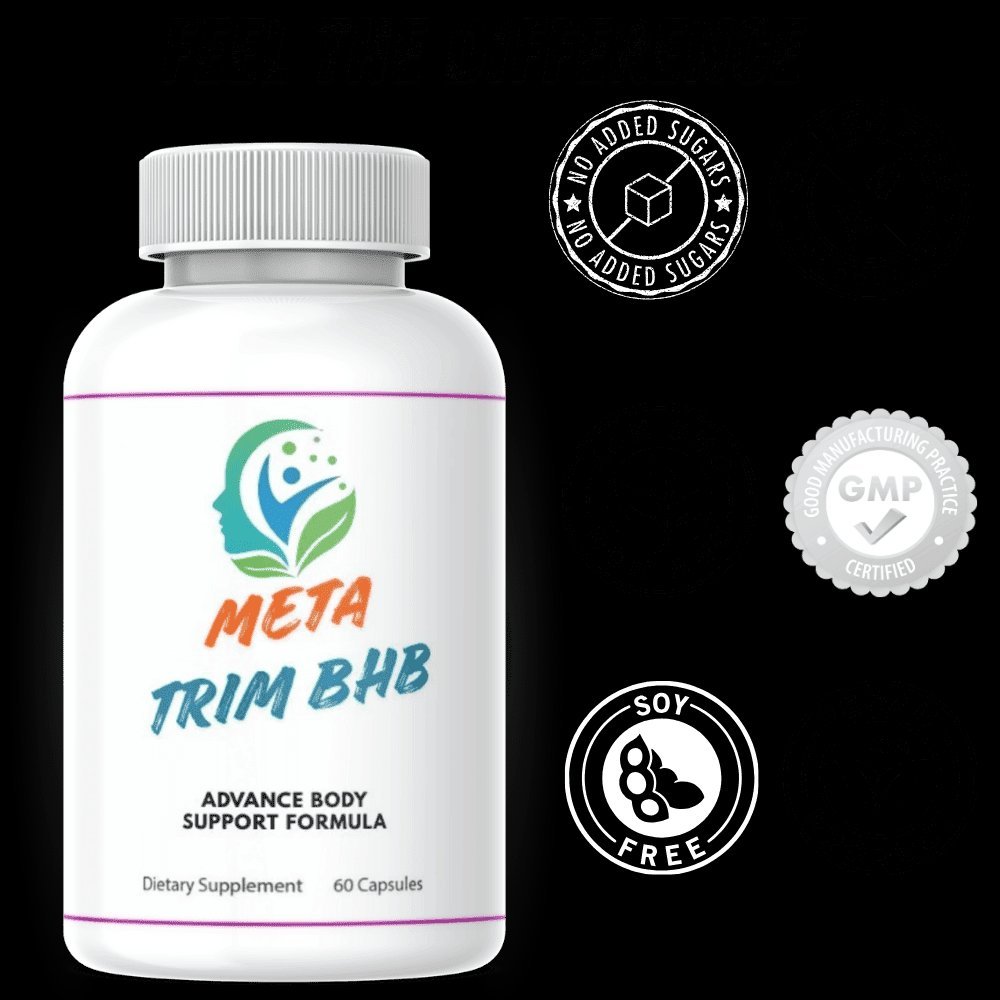
The myth is that you need one perfect supplement, one perfect diet, or one perfect workout program to transform your body. This is seductive because it promises simplicity — take this pill, follow this plan, get this result. But that's not how human metabolism works. Your body is responsive to the overall environment you create: your sleep architecture, your stress load, your food choices, your movement patterns, and even your social environment all feed back into your metabolic regulation. A supplement like MetaTrim BHB can be part of your routine if it fits your goals, but it's the sleep, the walks, the vegetable prep on Sunday, the stress management practices, and the strength training that create the real, durable transformation. The supplement is 5% of the equation; your habits are 95%.
Let's talk about environmental design — this is where most people miss the leverage. Prepping vegetables on Sunday removes the friction barrier between "wanting to eat healthy" and "actually eating vegetables." Buying a standing desk or desk converter increases NEAT by 50 to 100 calories per day just through postural fidgeting and the fact that you stand longer. Keeping resistance bands or a pull-up bar visible in your home increases the likelihood that you'll use them; out of sight, out of mind is real neuroscience. If your kitchen is designed for convenience eating — processed foods at eye level, no prepped vegetables — your willpower is fighting against your environment every single day. Change the environment, and you change the baseline behavior.
Start this week by choosing one habit stack. Pick the one that feels smallest and most automatic: the water-with-magnesium after coffee, the 10-minute walk after lunch, or the phone-away wind-down before bed. Do this single stack for 2 weeks until it feels effortless — almost robotic. Then add a second one. By stacking habits sequentially instead of trying to overhaul everything at once, you create sustainable change that doesn't rely on willpower. You're literally rewiring your daily baseline. After 12 months of these small stacks, your metabolic reality will be fundamentally different — not because of one magic intervention, but because you've made 100 small improvements that now feel completely normal. That's how sustainable weight loss works. That's how you build metabolic resilience that lasts.
Explore Related Articles
Dive deeper into specific topics covered in this guide:
Final Thoughts
You've now seen the actual mechanisms behind weight loss—the hormones shifting, the metabolic pathways that age changes, the sleep debt that sabotages your efforts, and the compounds that may support your body's natural processes. Here's what stands out: weight loss after 40 isn't about trying harder; it's about understanding your body's new operating system and working with it instead of against it. The scale will lie to you. Your hunger hormones will work against you if your sleep is bad. One supplement won't fix a broken eating pattern. But resistance training will preserve muscle, good sleep will restore insulin sensitivity, consistent habits will compound into visible results, and understanding these mechanisms gives you an advantage most people never have. The research is clear: sustainable fat loss comes from addressing all the levers simultaneously—metabolic support through nutrition, preservation of muscle through training, hormone optimization through sleep and stress management, and behavioral change through habit stacking. You don't need to be perfect. You need to be consistent, informed, and patient enough to let the biology work. The people who succeed aren't the ones who found the best diet or the best supplement. They're the ones who found a way of eating and living they could actually sustain, backed by an understanding of why their body responds the way it does.Frequently Asked Questions
Why do I feel hungrier than I used to, even though I'm eating the same amount?
Hormonal shifts after 40 increase ghrelin production and reduce leptin sensitivity, especially if you're sleeping poorly or under chronic stress. Your body isn't being difficult—it's responding to real physiological changes in appetite regulation. Better sleep, adequate protein intake, and stress management directly influence these hunger hormones and can restore your satiety signals.
Do I need to eat a very low-calorie diet to lose weight?
No. Research shows that moderate caloric deficits (300-500 calories below maintenance) produce equivalent fat loss to severe restriction over 12 months but preserve significantly more muscle mass and metabolic flexibility. Extreme restriction often triggers metabolic adaptation, increased hunger, and higher rates of weight regain.
How much does sleep actually matter for weight loss?
Significantly. Just one week of 5-6 hour nights increases visceral fat accumulation, impairs glucose tolerance, and elevates hunger hormones by 20-30% regardless of calorie intake. Sleep is when your body mobilizes fat stores and restores insulin sensitivity—skipping it is like stepping on the brake while pressing the accelerator.
Is resistance training necessary if I'm mainly focused on losing weight?
Yes, if you want sustainable results. Resistance training preserves or builds muscle during a caloric deficit, which directly protects your resting metabolic rate. Every pound of muscle adds ~6 calories of baseline daily expenditure, and people who preserve muscle during weight loss maintain their losses better long-term than those who lose muscle along with fat.
Can supplements like magnesium or chromium actually help me lose weight?
They can support the metabolic and hormonal processes that allow weight loss to happen—magnesium improves insulin sensitivity and sleep quality, chromium may reduce carbohydrate cravings, BHB may improve satiety. But they're tools that work alongside exercise, sleep, and consistent eating patterns, not replacements for them.
Why does the scale fluctuate so much week-to-week even though I'm eating consistently?
Scale weight includes water, glycogen, and digestive content—all of which fluctuate 3-5 pounds daily independent of fat loss. Your actual fat loss is slower and more consistent than the scale shows. Track weekly averages over months, not daily fluctuations, and rely on body composition metrics like waist circumference for a more accurate picture of progress.
Is there a best time to eat or a best macronutrient ratio for weight loss?
Research shows that consistent adherence to any reasonable macronutrient ratio beats optimal macros you can't stick with. However, higher protein intake (0.8-1g per pound of body weight) improves satiety and supports muscle preservation during caloric deficit. Meal timing and circadian eating windows have modest effects but matter less than total intake and consistency.
If I've dieted before and regained the weight, is my metabolism permanently damaged?
No. Weight regain is primarily behavioral and environmental, not metabolic. Your metabolism adapts to restriction (increases appetite, slightly decreases expenditure) but normalizes once you return to adequate eating. The key to avoiding regain is building habits sustainable long-term, not viewing weight loss as a temporary 'diet' phase.
How long does it actually take to see weight-loss results?
Fat loss becomes measurable and visible at different rates depending on starting body composition, but research suggests consistent changes in waist circumference and body composition typically appear within 4-6 weeks of combined exercise and dietary changes. However, the real benefit—improved metabolic health, preserved muscle, improved sleep and energy—often appears before the scale or mirror shows dramatic changes.
Should I be concerned about losing weight too quickly?
Yes. Rapid weight loss (more than 2-3 pounds per week) usually indicates water and muscle loss rather than fat loss, increases metabolic adaptation, and rarely sustains long-term. Moderate, consistent losses (1-2 pounds per week) paired with resistance training preserve muscle, maintain metabolic health, and have much better long-term success rates.
References & Sources
- Age-related changes in muscle mass and metabolic rate: a meta-analysis — Journal of Applied Physiology, 2008 (n=600)
- Resting metabolic rate declines across the adult lifespan: a meta-analysis — American Journal of Clinical Nutrition, 2005 (n=1,800+)
- Insulin sensitivity changes with age in both men and women: a longitudinal study — Diabetes Care, 2009 (n=1,200)
- β-Hydroxybutyrate and brain energy metabolism: histone deacetylases and genome-wide gene expression changes — Cell Metabolism, 2018 (n=23)
- Short sleep duration increases visceral fat accumulation and impairs glucose tolerance independent of caloric intake — Proceedings of the National Academy of Sciences, 2019 (n=80)
- Chromium supplementation and appetite control in binge eating: a meta-analysis of randomized controlled trials — Nutrition Reviews, 2014 (n=11 studies)
- Resistance training during caloric restriction preserves fat-free mass and metabolic rate compared to diet alone — Journal of Applied Physiology, 2016 (n=119 trials, meta-analysis)
- Multi-component lifestyle interventions produce superior long-term weight loss and metabolic health outcomes: a meta-analysis — Nutrients, 2019 (n=28 studies)